
Why I stopped asking ChatGPT for advice

I recently gave one my clients an assignment to stop communicating with ChatGPT for an entire week. Like many of us, she had the tab open at all times on her computer. She'd pop over to it when she felt stuck on a problem, wanted perspective on a challenge or just wanted to ask it why she was taking certain actions or getting results. She was feeling anxious and not settled, and then going back to Chat for more guidance, which was creating a vicious cycle. She was listening to the advice it was giving her over her own ways of knowing things. She was ignoring her nudges and gut feelings and ultimately pulling her away from her most aligned and authentic choices.
After reading this recent article in The Atlantic, it brought me back to how easy it can be to rush to AI for all the answers. First, I love me all things AI. I love the funny but insightful prompts, I love how quickly it can do remedial tasks like note taking or adding captions to my videos. However, as my business went through some challenging times this year as budgets shifted lower for women's leadership programs, I found myself turning to my friend, ChatGPT, for insights and advice on how to leverage my strengths and pivot my business.
Here's where it gets tricky. All of the advice and seemingly well thought out plans just seemed so smart. So obvious. Like, “Of course I should do that, why didn't I think of that myself?” However, I didn't do a good enough job of checking in with myself, my mission and my values. I didn't think to ask it questions that challenged it's own advice to me or to provide contrasting viewpoints. I don't think I ever thought to ask it if I should just do nothing and stay the course with my existing business strategies.
Why does this reliance upon ChatGPT erode self trust?
Like I offered up in my TEDx talk, we are all susceptible to a cognitive bias called authority bias, which means we are more influenced by the opinions and judgments of perceived authority figures. When I was in middle school, this meant high schoolers were THE authority. In corporate America, I deferred to leaders I admired, many times trusting their judgment or ideas over my own. Today, it can look like blind trust that ChatGPT always provides the right answers.
Why we outsource our intelligence instead of trusting ourselves:
It feels uncomfortable to stop and look inward
Checking is neither quick, nor answers always obvious
Sometimes our intuition tells us things we don't want to hear or are inconvenient to act upon
AI sounds so smart and confident and positive
At their best, Large Language Models (LLMs) like ChatGPT, Claude, CoPilot, etc, help us with mindless work like note taking, summarizing data, creating dinner recipes from available pantry ingredients, suggesting new research articles and showing us what our dogs might look like as humans (yes, I asked it this!).
At their worst, LLMs have been known to hallucinate by making up data or resources, reduce cognitive problem solving skills and hinder spontaneous creativity. It has a bias for positivity, meaning it can validate or support even the worst of ideas. This bias is especially powerful in pushing you to drift off track as a leader as it will suggest random ideas, make them sound smart, make YOU sound smart for asking it, and then validate your pursuit of the idea without critically challenging your thinking or suggesting alternative viewpoints.
So why am I telling you this? For three months now, I've stopped asking ChatGPT (my preferred LLM) for advice on challenges after I realized I was drifting off course. Not only do I feel better in my physical and mental health, but my creativity has returned and I feel back in alignment with my business, my decisions and my future. I made some hard decisions to quit things that weren't working for me (that were VERY well supported by ChatGPT).
I DO still use ChatGPT frequently for sourcing wall decor ideas (!), summarizing large amounts of data, shortening long form content and note-taking. Mostly to reduce burdensome tasks, to ignite ideas where I am deficient skill wise or to reduce manual data entry.
When my clients come to me and say, Here's what ChatGPT suggested, what do you think? I don't give my advice. I refer them back to trusting their gut and encourage them to consider what they think is most aligned for them.
Bottom Line: Trust yourself first. Data is very important in making decisions and AI is a critical skill as a modern leader. However, now more than ever, trusting the power of your intuition is your competitive advantage as a leader. You have a powerful tool (an internal ChatGPT if you will!) inside your body that knows what's right for you. It sees and senses things no one else can see. You are equipped with everything you need to use your authentic leadership style to make decisions on your ideal career, relationships, and business goals. Where could this intelligence take you?

PUT THIS IDEA INTO ACTION
I get it. We all love our favorite AI tools these days and I never suggest a black and white solution that insists we must be all in or all out in using these tools, especially LLMs. What I am practicing now is more intentional use along with asking myself better questions before I move forward. Here's how to be more intentional about using your favorite LLM tool in a way that doesn't erode self trust:
1: Compassion: Gently notice your tendencies. How frequently are you using your favorite tool to solve problems? Help with challenges? Provide you answers or solutions? To validate your choices, actions or beliefs?
Trust yourself first: When was the last time you checked in with yourself about the problems or challenges you are wrestling with?
What data do you have on this problem?
What next steps align with your values?
What does your gut say?
2: Curiosity: Get curious about what you are truly seeking. Why are you using your favorite tool to help you process this problem?
Trust yourself first: What answers are you hoping to receive and how can you act on your instincts?
Is there an answer you hope you will receive?
Do you have a nudging in your gut that scares you and are you trying to find other ways forward?
What are you hoping to gain?
What are you hoping to avoid?
What magic bullet do you think this will provide for you?
3: Confidence: A question I'm learning to ask myself and others is this, Am I okay outsourcing my intelligence here?
Trust yourself first: Here are some questions to help you take the data your favorite tool gives you and discern if it is right for you:
Is this aligned to the mission of my business/leadership and who I want to serve/become?
When I think about implementing this idea, does my energy surge or sink?
Is this recommendation aligned to my best skills and talents?
Is this advice aligned to my values and the types of decisions I want to be known for?
Does this guidance move me closer to my career purpose and goals?
At the end of the day, building your AI and LLM tool skillset is critical as a leader and you should always trust yourself first. Remember, your experience, insights, senses are unique and valuable. They are your competitive advantage. No AI tool can replace this.
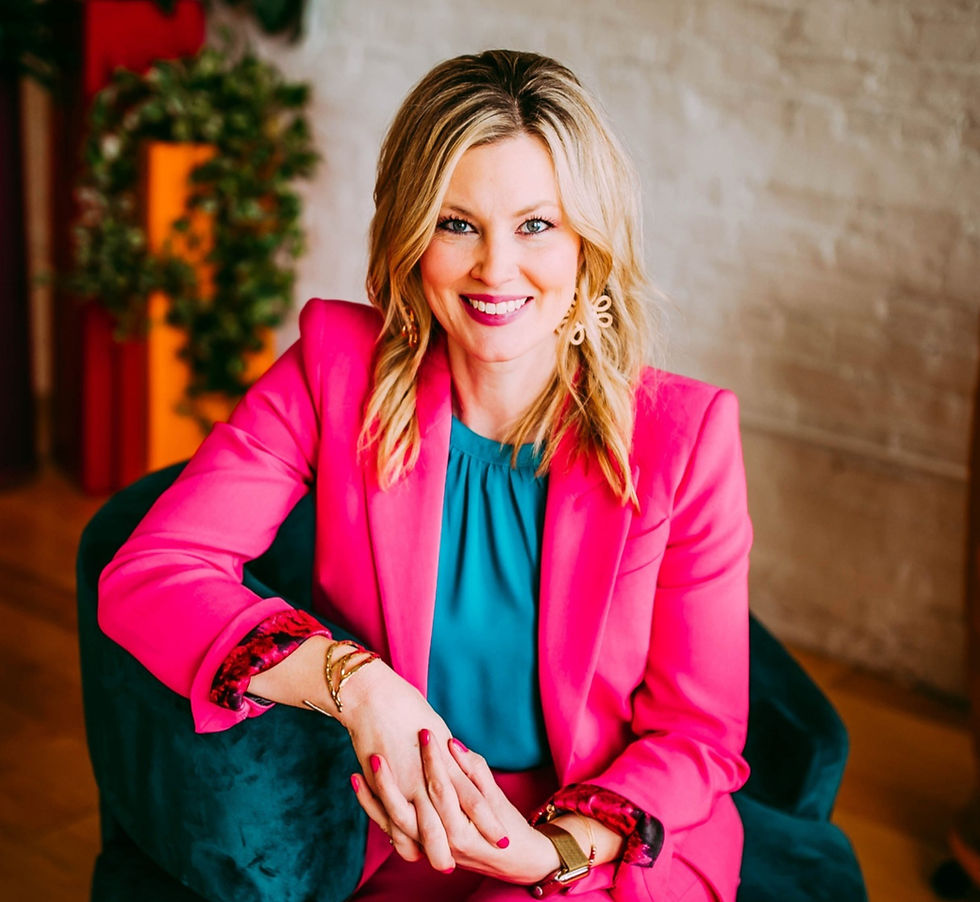
Kelli Thompson is an award-winning author, keynote speaker, and executive coach who specializes in helping high achievers advance to influential leaders in their organizations. She is the author of the critically acclaimed book, Closing The Confidence Gap: Boost Your Peace, Your Potential & Your Paycheck.
Learn more about: Executive Coaching | Speaking & Training | Group Programs


Comments